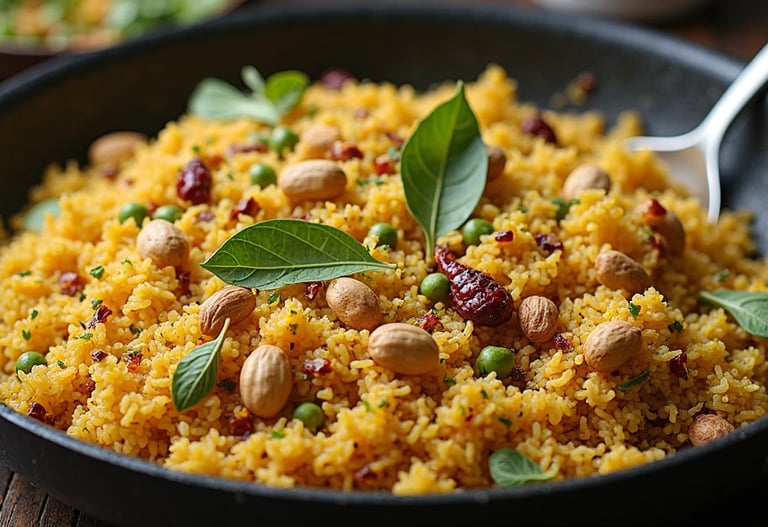
Chiwra (Beaten Rice): Quick, Healthy, and Flavorful Poha From Your Own Kitchen
Looking for a healthy breakfast, wholesome snack, or light meal that’s ready in a flash? Chiwra (often known as Poha in India or Chiura in Nepal) is the perfect answer! Made from nutritious flattened rice, sautéed onions, crunchy peanuts, and warming turmeric, this classic South Asian dish is loved for its speed, flavor, and comfort. With just a few pantry basics, you can whip up a satisfying plate of Chiwra that’s gluten-free, plant-based, and endlessly customizable. Let’s walk through every step so you can bring Chiwra’s aromatic goodness to your table—no experience required!
1/3/2026
Ingredient Overview and Simple Substitutions
Let’s see what each ingredient brings—and what to use if you want to change it up:
1. Beaten Rice (Poha or Chiwra, 200g)
Flattened rice flakes (available at South Asian stores or international aisles) are soft when soaked and cook lightning-fast!
Substitution: For a fiber boost, use brown poha or a coarse variety. Quinoa flakes, though less traditional, also work for a twist.
2. Onion (1 small, about 50g)
Adds sweetness, savory depth, and fragrance as it softens in hot oil.
Substitution: Shallots or green onions work nicely.
3. Turmeric (1 tsp)
Brings golden color and a warm, earthy aroma.
Substitution: Curry powder adds more spice but changes the classic flavor profile.
4. Oil (2 tbsp)
For sautéing; neutral oils like sunflower, vegetable, or traditional mustard oil give the best result.
5. Salt (1 tsp)
Balances and brings out all the flavors. Add more or less to taste.
6. Peanuts (50g)
Provide protein, crunch, and a nutty taste that’s crucial for classic poha.
Substitution: Roasted cashews or mixed seeds (like pumpkin or sunflower) for allergy-friendly crunch.
**7. Optional Additions:
Try green chili for heat, diced potato for heartiness, curry leaves for classic aroma, or lemon/lime juice for brightness.
Nutrition Facts (Per Serving)*
Calories: ~250 kcal
Carbohydrates: ~38g
Protein: ~3g
Fat: ~10g (mostly from coconut milk)
Fiber: ~4g
Sugar: ~9g
Sodium: ~500mg
Vitamins & Minerals: Rich in vitamin C, magnesium, potassium, and some B vitamins
*Nutritional values based on one serving (one-fourth of the recipe). Toppings/add-ins will change values slightly.
Step-by-Step Instructions: Chiwra in Under 15 Minutes
This traditional dish couldn’t be easier—even beginners will have perfect results:
Step 1: Soak and Drain the Beaten Rice
Place 200g beaten rice in a large bowl.
Add enough water to cover and let it soak for 5 minutes.
Drain thoroughly using a strainer—poha should be soft but not mushy. Set aside.
Step 2: Sauté Onion, Turmeric, and Peanuts (5 Minutes)
Heat 2 tablespoons oil in a wide pan or skillet over medium heat.
Add chopped onion, turmeric, and peanuts.
Sauté for about 5 minutes, stirring, until the onions turn golden and soft and the peanuts start to brown slightly and smell toasty.
Step 3: Add Beaten Rice and Salt, Stir-Fry (3 Minutes)
Add drained beaten rice to the pan.
Sprinkle 1 teaspoon salt over everything.
Stir gently for about 3 minutes to mix and heat through—the poha should turn a lovely yellow and become fragrant as it absorbs the turmeric and onion flavors.
Step 4: Serve Hot
Turn off the heat.
Serve the Chiwra hot, as a filling breakfast, snack, or a side dish.
Optionally, top with lemon juice, fresh coriander, or more peanuts for extra flavor and crunch.
Tips and Tricks for Perfect Chiwra
Don’t Oversoak: Beaten rice should be soft but not mushy—check after 5 minutes just to be safe.
Crisping Peanuts: For max crunch, add half the peanuts with onions and the rest just before serving.
Brighten It Up: A squeeze of lemon or lime lifts the whole dish.
Extra Aroma: Throw in a few curry leaves or a pinch of mustard seeds with the onions for a real South Asian taste.
Boost Nutrition: Add diced boiled potatoes, frozen peas, or grated carrot for more veggies.
Meal Prep: Chiwra stays good in the fridge for up to 2 days—just reheat gently in a dry pan.
Serving Ideas: Enjoy Chiwra Any Time
Traditional Breakfast: Serve hot with a side of yogurt and lemon wedges.
Fuss-Free Snack: Pack in a container, it’s a perfect cold or warm snack.
Light Lunch: Pair with dal (lentil soup) or fresh salad for a meal.
Party Side: Serve in small bowls as a unique gluten-free side dish.
Brunch Platter: Add hard-boiled eggs, pickles, and fruit for a balanced spread.
Frequently Asked Questions (FAQs)
Q1: What is beaten rice?
Also called Poha or Chiura, it’s rice that’s parboiled and flattened—quick-cooking, gluten-free, and full of energy.
Q2: Can I make it nut-free?
Absolutely. Use roasted pumpkin or sunflower seeds, or skip nuts altogether and add more veggies.
Q3: Is it spicy?
As written, it’s mild. Add chopped green chili or chili flakes for heat.
Q4: How do I keep it from getting soggy?
Drain well after soaking and don’t stir too vigorously once it’s in the pan.
Q5: Is this vegan and gluten-free?
Yes! Beaten rice and veggies—totally plant-based and naturally gluten-free.
Q6: Can I use leftover rice instead?
For classic poha, use beaten rice. If using leftover rice, try it as a stir-fry but expect a different (but delicious) texture.