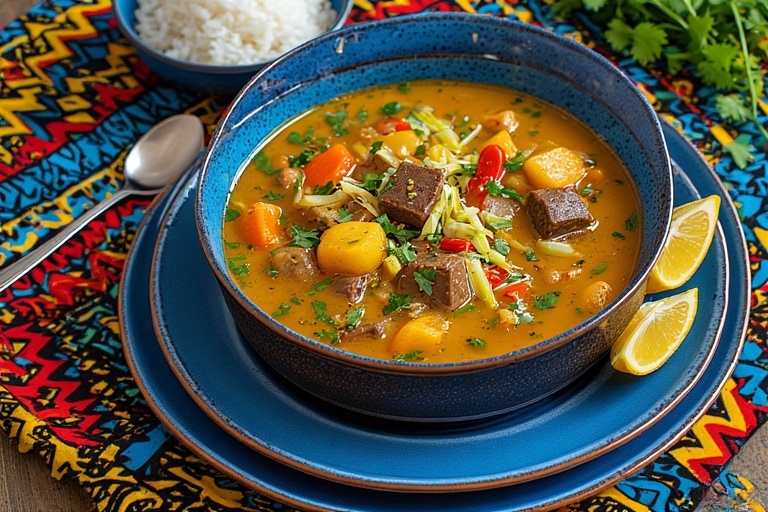
Fah-fah (Vegetable and Meat Stew): Aromatic Comfort from the Horn of Africa
Looking for a dish that’s hearty, wholesome, and beautifully simple? Fah-fah is a beloved stew from Djibouti, Somalia, and neighboring Horn of Africa countries. This rustic comfort meal features tender goat meat slow-simmered with fresh vegetables—most commonly spinach, tomatoes, and onions—creating a savory broth that soothes and satisfies. Served over steamed rice, fah-fah is a staple at family tables and gatherings, offering both nutrition and deep flavor in every spoonful. Ready to discover this regional favorite? Let’s get cooking!
12/29/2025
Ingredient Overview and Substitutions
Let’s take a closer look at what you’ll need for authentic Adana Kebap and how you can substitute ingredients if needed.
Key Ingredients
300g ground lamb: Lamb is traditional for the juiciest, most authentic taste. It should have a moderate fat content (about 20%) for tenderness and flavor.
1 onion (about 50g): Adds sweetness, moisture, and aroma to the mixture. White or yellow onions work best.
2 tablespoons oil: Olive oil is great for both flavor and grilling, but any neutral oil (like canola or sunflower) will do.
1 teaspoon salt: Essential for bringing out all the flavors.
1 teaspoon paprika: Adds color and a hint of mild heat. Use sweet or smoked paprika for extra depth.
Ingredient Tips & Substitutions
Lamb Substitutes: You can use ground beef or a beef-lamb mix if you prefer, but lamb is the star in traditional Adana Kebap.
Vegetarian Option: For a plant-based approach, use ground seitan or a hearty plant-based mince, plus additional olive oil for juiciness.
Spice Boosters: Feel free to add a pinch of chili flakes or ground cumin for extra warmth if you like your kebabs spicier.
No Skewers?: If you don’t have metal skewers, use thick wooden skewers (soaked in water), or simply form the mixture into sausage shapes and grill directly.
Nutrition Facts (per serving)*
Calories
310 kcal
Protein
17 g
Carbohydrates
3 g
Fat
27 g
Saturated Fat
9 g
Fiber
1 g
Sodium
800 mg
Cholesterol
75 mg
*Assuming 3 servings per recipe, served without bread.
Step-by-Step Instructions for Adana Kebap
This recipe is designed for beginners, so you won’t need any special skills. Just follow these steps for the perfect kebab every time:
1. Prepare the Materials
If using wooden skewers, soak them in water for at least 30 minutes to prevent burning on the grill.
2. Mix the Meat and Spices
Grate or finely chop the onion and squeeze out excess moisture. This prevents the mixture from becoming too soggy.
In a large bowl, combine the ground lamb, onion, salt, and paprika.
Mix thoroughly with your hands (wear gloves if you like) until the mixture feels sticky and holds together. This helps the kebaps stay on the skewers during grilling.
3. Shape the Kebabs
Divide the mixture into 3-4 portions (for longer kebabs) or 6 smaller kebabs.
With wet hands, take each portion and mold it around a skewer, pressing firmly so it clings well. Flatten it slightly for even cooking and classic Adana shape.
Tip: Don’t make them too thick—around 1/2 inch thick is perfect. This ensures they cook through without burning on the outside.
4. Preheat the Grill or Pan
Brush the grill or grill pan with a little oil to prevent sticking.
Preheat over medium-high heat until hot.
5. Grill the Kebabs
Place skewers on the grill, turning every 4-5 minutes. Brush lightly with oil as you grill.
Cook each side for about 5 minutes, until browned and cooked through. Lamb should be juicy and slightly pink but not raw in the middle.
No grill? You can use a stovetop grill pan or even a heavy skillet. For the smoky flavor, add a small bit of oil to the pan and turn over medium-high heat.
6. Serve and Enjoy
Remove from grill and let rest a minute or two.
Serve hot with bread: Traditional choices are warm pita, lavash, or Turkish flatbread.
Optional garnishes: Add grilled peppers, tomato slices, fresh parsley, and sliced onions for extra color and flavor!
Tips and Tricks for the Best Adana Kebap
Keep the meat cold: Cold meat sticks to the skewer better and cooks more evenly.
Mix by hand: Kneading the meat by hand makes for the best texture and helps the mixture stick together.
Add fat if needed: If your lamb is too lean, add a tablespoon of olive oil to keep kebabs juicy.
Shape with care: If the mixture is too soft and sticky, chill it for 15 minutes before shaping.
Try the charcoal effect: For authentic flavor, grill over real charcoal outdoors! Indoors, a smoke-free stovetop grill pan works just fine.
Serving sides: Grilled veggies or a simple chopped salad with cucumbers and tomatoes round out the meal.
Creative Serving Ideas for Adana Kebap
Want to make your Adana Kebap meal really special? Here are a few fun, tasty ways to serve it:
Traditional Plate: Lay kebabs over warm pita or lavash bread and top with chopped herbs, onions, and sumac.
Kebap Wrap: Roll slices of kebab, onions, tomatoes, and lettuce in flatbread for a hearty wrap—perfect for picnics or on the go!
Kebap Platter: Serve alongside a Turkish yogurt sauce (just plain yogurt with a sprinkle of salt and garlic), grilled vegetables, and a side of bulgur pilaf.
Party Bites: Make mini kebabs on small skewers and serve as appetizers at your next gathering.
Frequently Asked Questions (FAQ)
Can I use beef instead of lamb?
Absolutely! While lamb is classic in Adana Kebap, ground beef or a beef-lamb blend are excellent alternatives.
What if I don’t have skewers?
No worries—just shape the meat into kebab-shaped logs and cook them directly on the grill or in a pan.
Can I make these ahead?
Yes! You can prepare and shape the kebabs ahead of time. Keep them chilled in the fridge, covered, for up to 24 hours before grilling.
How spicy is Adana Kebap?
The classic recipe is mildly spicy from paprika, but you can add chili flakes or hot paprika if you want more heat.
Why are my kebabs falling apart?
The key is to mix the meat well so it’s sticky, and don’t make them too thick. Chilling the kebab mixture before shaping can also help.
What bread works best?
Authentic Adana Kebap is usually served with Turkish flatbread (lavash or pide), but pita or even naan work well.